Lansing City Council Unanimously Declares City an LGBTQ+ Welcoming Community
Trans advocates celebrate resolution protecting gender-affirming care and condemning hate
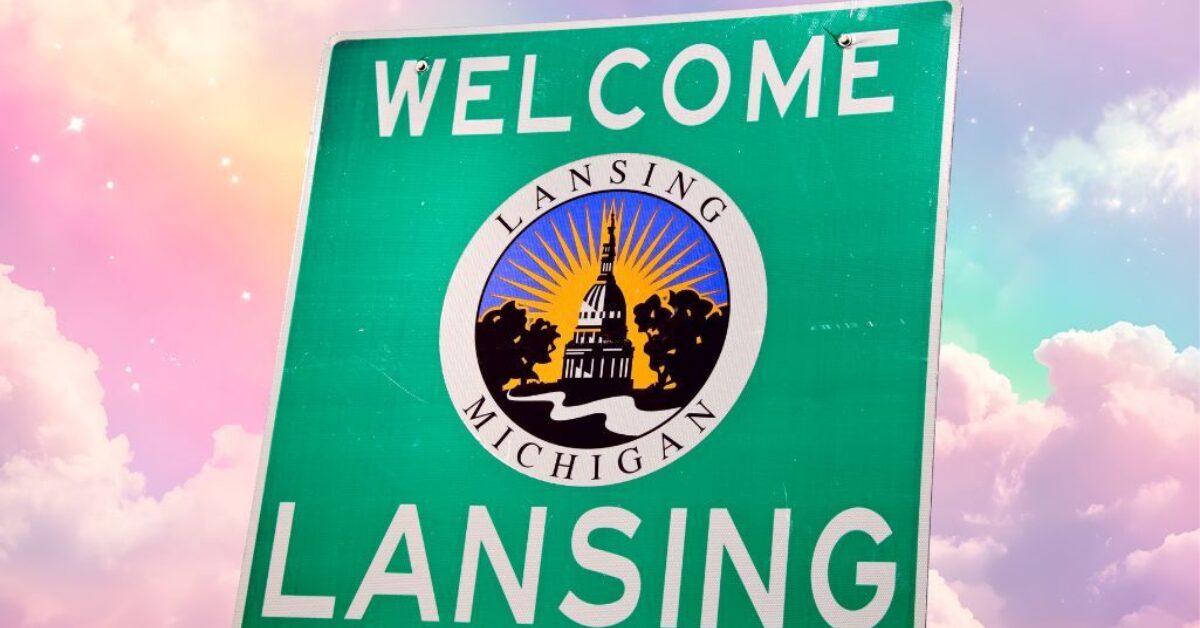

Amid growing public concerns about LGBTQ+ safety, Lansing will become an LGBTQ+ Welcoming City after a unanimous vote by city council members at their Oct. 13 meeting. The resolution condemns all acts of violence targeted against the LGBTQ+ community and affirms the right of everyone to live freely and safely in the city.
"Be it finally resolved, that the Lansing City Council declares Lansing an LGBTQ+ Welcoming City, where every person's identity and sexual orientation are supported and embraced, and where acts of hate or harassment have no place in our community," the resolution states.
The "LGBTQ+ Welcoming City" designation signifies that Lansing formally condemns discriminatory acts of violence against the community and commits to protecting access to gender-affirming care. The resolution also ensures that any threats, harassment, discrimination or acts of intimidation by city employees or organizations receiving city funds will result in appropriate disciplinary or corrective action.
Trans advocates widely called for this resolution after violent incidents considered hate crimes, such as the Sept. 24 incident when members and attendees of The Avenue Cafe, a bar and restaurant on Michigan Avenue, received a threat of violence, according to the establishment's Facebook statement.
"Any threats, harassment, discrimination, or acts of intimidation by City employees or by organizations receiving City funds will not be tolerated, and appropriate disciplinary or corrective action will be taken," the resolution states.
Lyra Opalikhin, an MSU student and Lansing resident, stated during public comments that, in recent weeks, there have been threats made against the LGBTQ+ community in the city. Opalikhin, as part of Lansing Advocates for Trans Safety, has been asking the city to publicly stand with the trans community and affirm its commitment to the safety and expression of all LGBTQ+ people. They also propose establishing an LGBTQ+ council to amplify queer voices and ensure ongoing representation, as well as expanding support for queer-owned businesses that are now facing threats and discrimination.
"Lansing has been my home for four years, and I care deeply about this beautiful city. However, while living here, I've since become scared. Scared due to the continuous hate and threats thrown toward marginalized communities, including the trans community," she said at the last Lansing city council meeting.
On Oct. 13, advocates, including those from The Lansing Advocates for Trans Safety, discussed the intensification of hostilities against the community and emphasized the importance of considering this resolution.
"We shouldn't have to wait until we are afraid to see the city take action to keep us safe. But I am optimistic. I do think the resolution is a good first step," Opalikhin told city officials.
Councilman Brian T. Jackson congratulated the LGBTQ+ community and attendees for continuing to insist on having a safer city for everyone, while also noting that the achievement of passing the resolution is thanks to the public.
Mayor Andy Schor thanked the council after the vote for passing the resolution. He also mentioned that the measure will support those seeking access to gender-affirming care safely and without consequences. The resolution also states that Lansing will not block, investigate, prosecute or detain any person seeking or providing gender-affirming care.
"The Lansing City Council supports the right of transgender and gender-diverse individuals to access gender-affirming care safely and without interference, and encourages the Administration to issue an executive order safeguarding access to such care, including prohibiting the use of City resources to block, investigate, prosecute, or detain any person seeking or providing gender-affirming treatment," the resolution states.
In August, Michigan's statewide hospital networks declared that they would stop providing medically necessary gender-affirming health care services — such as prescribing puberty blockers and gender-affirming hormones — for patients under age 19. University of Michigan Health and its Michigan Medicine brand argued the decision was made due to an ongoing federal "criminal and civil investigation into gender-affirming care for minors."
Read More

Christian Styles, Metro Detroit Adult Performer, Dies at 29
Christian Styles, a gay adult performer and content creator with Michigan roots, has died at 29. His family confirmed his death in an obituary stating he passed [...]Read more about Christian Styles, Metro Detroit Adult Performer, Dies at 29

Democrats Are Trying to Disqualify Trans Candidates. Here's How.
This article was originally published by Uncloseted Media.Editor's note: Uncloseted Media is one of a growing number of independent, queer-led newsrooms [...]Read more about Democrats Are Trying to Disqualify Trans Candidates. Here's How.

Michigan Supreme Court Clarifies Entrapment Standard After Stings Targeted LGBTQ+ Men
The Michigan Supreme Court has issued its opinion in People v. Jade, a ruling that reshapes how courts across the state must evaluate entrapment claims arising [...]Read more about Michigan Supreme Court Clarifies Entrapment Standard After Stings Targeted LGBTQ+ Men

Abdul El-Sayed Wins Michigan Senate Primary as LGBTQ+ Candidates Make Historic Gains
Dr. Abdul El-Sayed won Michigan's closely watched U.S. Senate Democratic primary Tuesday with 49% of the vote, narrowly edging out moderate U.S. Rep. Haley [...]Read more about Abdul El-Sayed Wins Michigan Senate Primary as LGBTQ+ Candidates Make Historic Gains

Construction Begins on Long-Awaited Affordable LGBTQ-Friendly Housing for Older Adults in Michigan
Affordable housing has been a problem across the country for years and it can be especially problematic for aging LGBTQ+ people who, according to Rev. Dr. [...]Read more about Construction Begins on Long-Awaited Affordable LGBTQ-Friendly Housing for Older Adults in Michigan

Queer Michigan College Students Consider Safety On and Off Campus As New Year Kicks Off
At a time when state legislatures across the country have been presenting hundreds of bills attacking LGBTQ+ rights, Michigan has gone in the opposite direction [...]Read more about Queer Michigan College Students Consider Safety On and Off Campus As New Year Kicks Off