Inside Roses, the Shuttered Detroit Diner Aaron Rush Helped Turn into a New York Times Pick
Rush on cultivating a culture where identity and leadership grow together
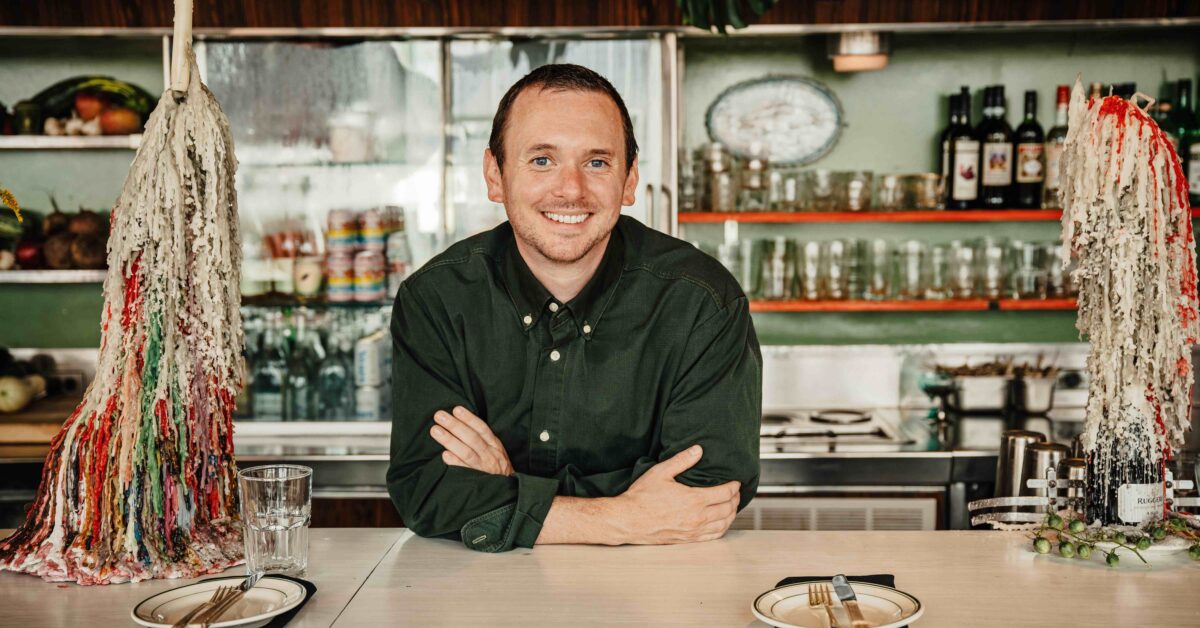

There's a version of this story that starts with a list. Like many good stories, though, it's better to start at the bar, under a pressed-tin ceiling, past mirrors that don't quite match and gnarled, wax-drenched candles that have melted into their own small sculptures. Roses, the 29-seat diner on Detroit's east side, has always felt like this. A little worn-in, a little romantic, entirely itself. This September, The New York Times took notice, naming Roses to its 2026 list of best restaurants in the country, its critic noting the "colorful bouquets plucked from the parking lot garden out back" and comparing the dining room to the feeling of eating in "Grandma's sunroom."
First established in 2014, Roses closed in 2023 after nine years in business, its final chapter clouded by pandemic-era pivots that left longtime regulars confused and chef-owner Molly Mitchell burned out. Roses reopened in the summer of 2025 under Mitchell, shifting from its longtime brunch identity into a dinner service. In February, the Detroit Free Press named Roses its 2026 Restaurant of the Year, calling the reopening "a coming-of-age story" for a restaurant built with intention.
"It's about creating an infrastructure where someone really feels true inclusivity, and that there's a pathway for these people to continue to grow, and not only nourish themselves from the food perspective at Roses, but also emotionally."
— Aaron Rush, general manager of Roses
The accolades kept coming. This September, The New York Times named Roses to its 2026 list of best restaurants in the country, its critic noting the "colorful bouquets plucked from the parking lot garden out back" and comparing the dining room to the feeling of eating in "Grandma's sunroom." A local honor from Hour Detroit came earlier still, naming Roses among Detroit's 10 best new restaurants for 2026. The magazine described the space as exuding "a distinctive, homey personality," pointing to the mismatched vintage furniture and untamed floral arrangements that soften every corner of the room.
And then there's what people really come here for: the food. Roses built its reputation on brunch classics, but this iteration leans into an elevated diner experience anchored by a Polish American menu, chef Molly Mitchell's tribute to the region's heritage filtered through seasonal Midwestern ingredients. The Times pointed to standouts like Polish nachos, a mashup of potato chips and smoked whitefish topped with trout roe, alongside a tomato horseradish martini with "enough heat to clear the sinuses."
It takes a lot of moving pieces to make a restaurant work this well. At Roses, general manager Aaron Rush is the one putting them together.
"It has been a huge year for us, and I believe we owe our success to the cohesion between front and back of house under Aaron's leadership," Mitchell says. Rush, she says, has brought the space to life over the past year. "He orchestrates it all like a dance."
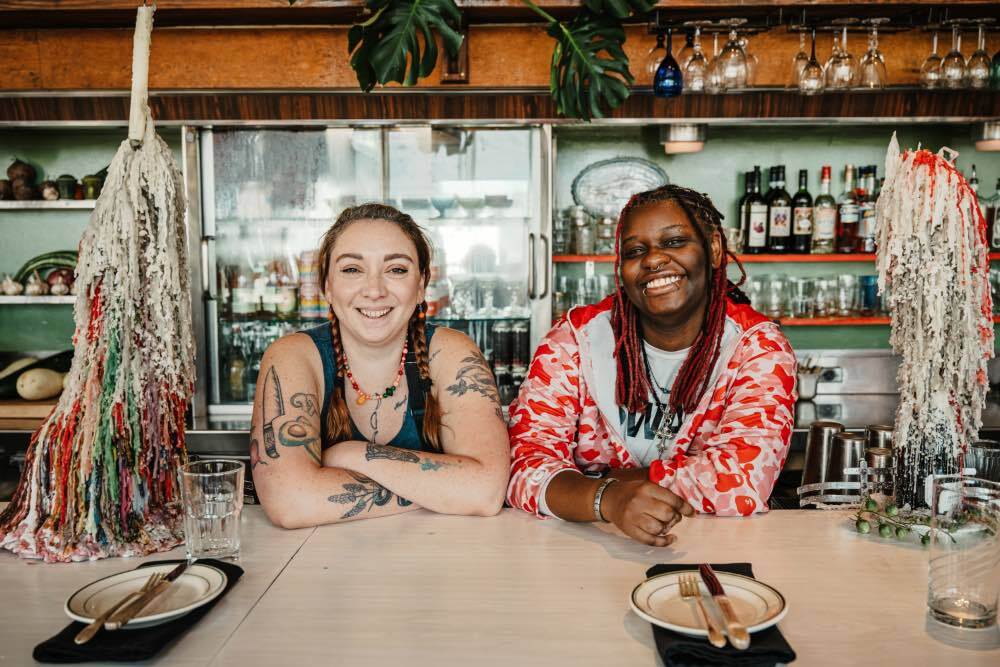
For Rush, running Roses well means bringing his full self to the job and letting that authenticity shape how he leads.
"Growing up queer has been about surrounding yourself with the people that you want to surround yourself with," he says. "The only people that I really want to be around are the ones that make me feel really comfortable to be the person that I am. I've taken that into the entirety of my life to make sure that people feel that way as well, whether they're queer or not."
Mitchell first established Roses 2014 and closed the doors in 2023 following a pandemic-era slowdown. She reopened the restaurant in the summer of 2025, shifting from its longtime brunch identity into this dinner service. Rush came aboard with that relaunch, though he'd been a regular at the restaurant for years before ever working there. Today, the tiny dining room, backed by a garden that can hold about 120 more, draws a steady crowd.
"We really just wanted to make Roses feel really comfortable and community-focused," Rush says, pointing to partnerships with local farmers as one piece of that. "You can go to a bunch of different places to eat and some of them are very transactional. Here at Roses, we really understand what a consumer wants from a service experience, down to every fine detail."
Mitchell points to how that shows up with staff. "We have such a unique team, with everyone bringing different strengths to the table," she says. "Aaron sees each team member for who they are and encourages their individual talents." Rush describes it as encouraging people to "stir their identity into everything that we do here."
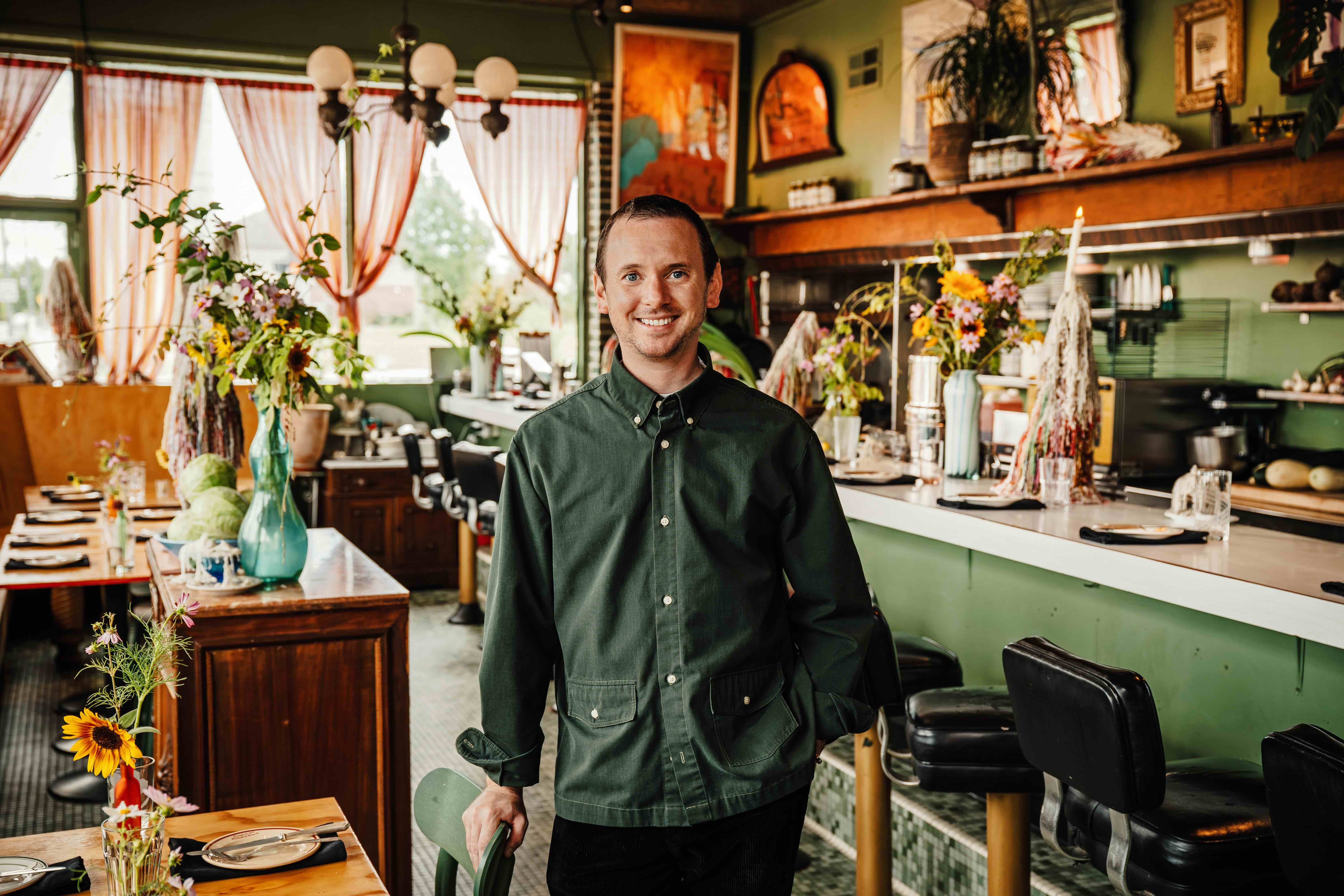
Rush credits years in corporate environments with sharpening that approach. In these roles, he says, he grew familiar with the gap between companies performing inclusion and actually building it.
"There's this performative dance around being accepting and inclusive," he says. "While that is the case and should be in every business, it's about creating an infrastructure where someone really feels true inclusivity, and that there's a pathway for these people to continue to grow, and not only nourish themselves from the food perspective at Roses, but also emotionally."
Watching for burnout, an occupational hazard across the restaurant industry, is part of that infrastructure, too.
"It's very easy to get sucked into your work," Rush says. "Understanding why someone might be feeling like they need a break, and working to find resolution, is so important. If we're burnt out, it's going to show in our service and our quality. Our number one guest is the people that are working, because if they're happy, anything that they produce will be made with happiness as well."
Mitchell agrees. "Burnout is so insidious in our field, and it can kill the joy and excitement of serving food," she says. "I appreciate that he keeps an eye on everyone's capacity."
Rush points to smaller moments as some of the job's more meaningful ones: staff going out of their way for guests without being asked, a handwritten note, an unprompted gesture. "Those are the most rewarding parts of the job," he says. "Knowing that my team feels very comfortable and at ease doing that, they really understand the purpose behind all of those little things that make something so special."
Even with the national attention, Rush isn't in a hurry to chase what comes next. "We're really just relishing in all of this grassroots excitement," he says. Roses, he adds, plans to keep deepening its ties across the city rather than scale quickly. "We see this as a long-standing establishment with a lot of ideas and a lot of great minds behind those ideas working here."
For Rush, running Roses and being fully himself aren't two separate things.
Roses is located at 10551 E. Jefferson Ave. in Detroit. Follow Roses on social media @roses_detroit.
Read More

Michigan Pride Chamber Bets Big on Statewide Growth
Kevin Heard didn't set out to build a networking group. When he moved back to Detroit years ago, he noticed something missing: no organization existed to [...]Read more about Michigan Pride Chamber Bets Big on Statewide Growth

The 'CEO of Everything Gay' On How He Manages 68 Businesses and 6 Boyfriends
This article originally appeared on Uncloseted Media.Tristan Schukraft started his first business when he was 21, selling Razor scooters out of his pickup truck [...]Read more about The 'CEO of Everything Gay' On How He Manages 68 Businesses and 6 Boyfriends

A Michigan Farm Stand Became a Safe Haven for LGBTQ+ People in Rural America
On a farm stand in Charlotte, Michigan, in a county that voted for Donald Trump in 2024, Sarah and Kim Padilla hung a Pride flag and waited to see what would [...]Read more about A Michigan Farm Stand Became a Safe Haven for LGBTQ+ People in Rural America

Trump Is Targeting the Smithsonian. My LGBTQ+ History Is Inside It.
There’s been something troubling me for the last couple of years about what the Trump administration has been doing. It affects me personally, but I’ve mostly [...]Read more about Trump Is Targeting the Smithsonian. My LGBTQ+ History Is Inside It.

June 11, 1998: Lesbian Teens Turn Heads at Small-Town Prom
One trend has continued for as long as I can remember: When it comes to mental health, LGBTQ+ students are still struggling more than their peers.

November 1996: Pilgrimage of Remembrance: Michigan Residents Join Thousands for D.C. Quilt Display
I am grateful to have documented the perspectives of different Michiganders who made the pilgrimage by chartered bus: A gay man from Battle Creek there to honor